15+Airbus A320 CaptainYears in the industryMentoring since 2008
SCROLL TO TAXI
STDFDLSCSTRWPT
SPD---
HDG278
AP1AP2A/THR
ALT5000
V/S-----
WPTARPTLSFDSTD
SWIPE · TAP ARROWS
01
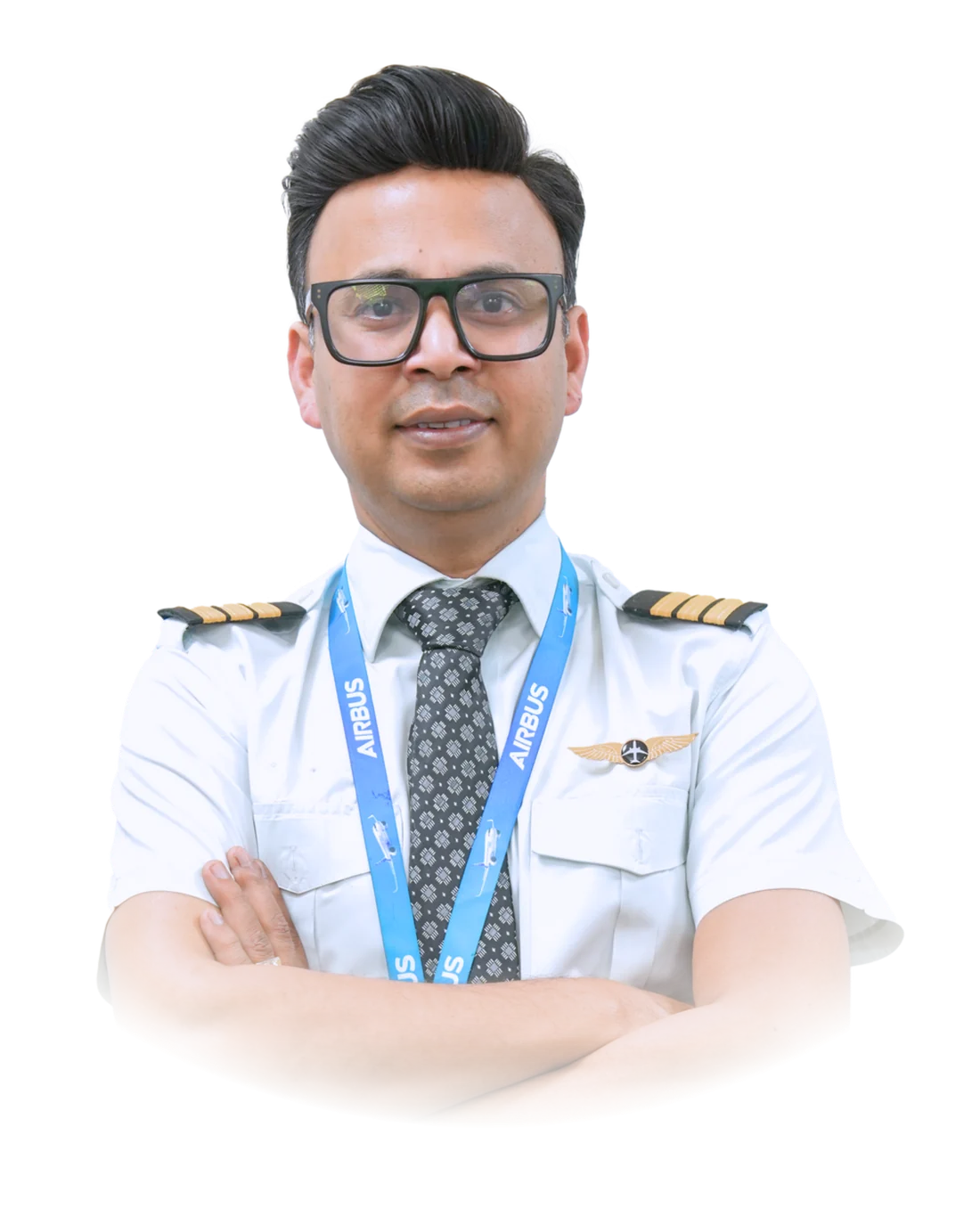
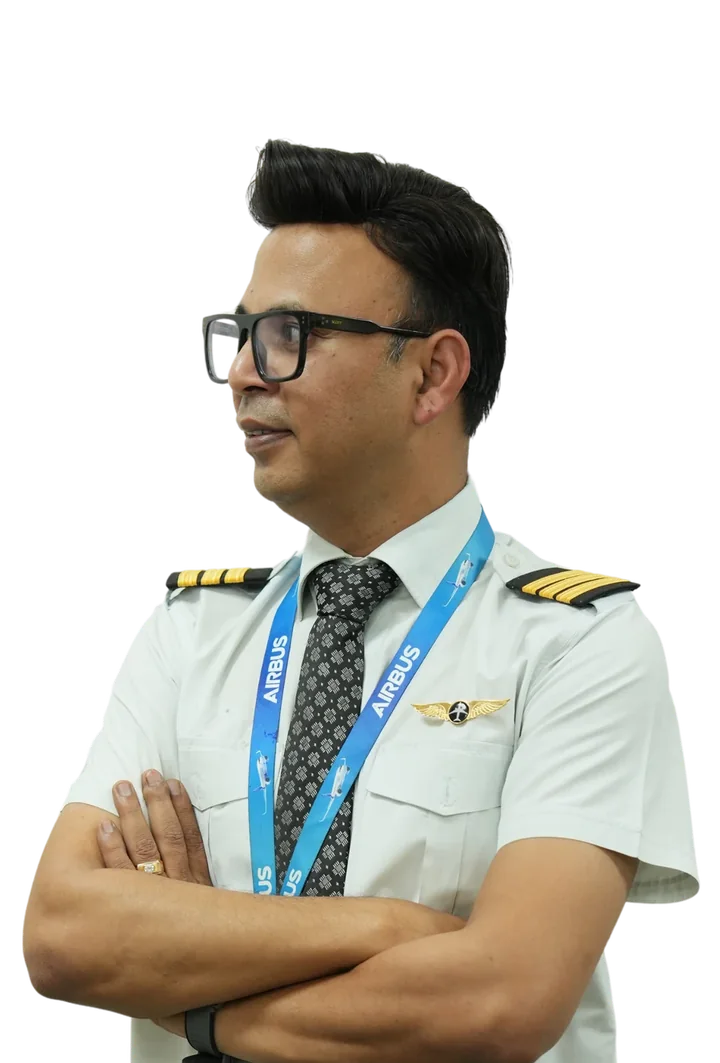
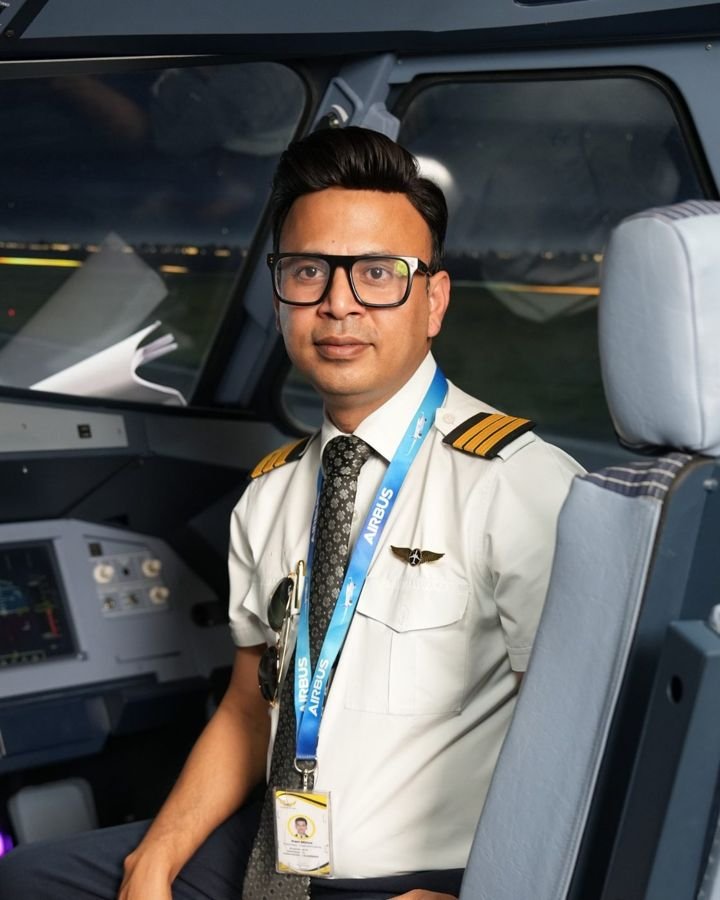
Capt. Tomar AwdheshAirbus A320 Captain · Director, Golden Epaulettes Aviation
2008Mentoring since
A320Airbus Captain
15+Years in aviation
01 · Preflight · GND
From chasing the cockpit to helping others reach it.
His own journey into aviation was far from straightforward. Coming from a humble background, he experienced the financial challenges, uncertainty and setbacks that many aspiring pilots face. Those experiences became an important part of how he approaches aviation today — with practical advice, honest conversations and a strong focus on making informed career decisions.
After flying as an IndiGo First Officer and progressing to the A320 cockpit, Capt. Tomar began mentoring aspiring pilots in 2008. Today, as Director & Co-Founder of Golden Epaulettes Aviation, he works with students preparing for DGCA examinations, airline interviews, cadet pilot programmes and different stages of their aviation careers.
Honest conversationsStraight answers on cost, timing and risk.
Practical adviceWhat each stage really asks of you.
Informed decisionsChoose the right pathway before you invest.
Becoming a pilot is a step-by-step process. Know the next step, and the journey becomes far easier to fly.— Capt. Tomar Awdhesh
IndiGoFirst Officer
A320Captain
2008Mentoring begins
GEADirector & Co-Founder
0+Years in the industry
1990Mentoring since
0Pages of interview prep
Aircraft · Airbus A320Rank · CaptainDirector & Co-Founder · Golden EpaulettesAuthor · Mastering Airline Interview
02 · Flight plan · GND → FL350
How to become a pilot, explained simply.
Becoming a commercial pilot is a step-by-step process. Each stage has its own requirements, and understanding what comes next can make the journey much easier to navigate. Scroll to fly the profile.
Stage 01GNDPreflight
Medicals
Your journey begins with the required Class 1 and Class 2 medical assessments. It is important to understand your medical eligibility before making a major investment in flight training.
Class 2 → Class 1
DGCA-empanelled examiners
Eyesight · ECG · general fitness
Stage 02GNDClearance
DGCA Computer Number
Once you’re ready to move forward, the next step is completing the required DGCA registration and documentation process.
eGCA portal registration
Board-certificate verification
Unique ID for all DGCA exams
Stage 03GNDTaxi
Ground Training
Build a strong foundation in the subjects that form an important part of your pilot training — Air Navigation, Meteorology, Air Regulations, Technical General and RTR(A).
Air Navigation
Meteorology
Air Regulations
Technical General
RTR(A)
Stage 04V1 · VRTakeoff
Flight Training
With the required groundwork in place, you move into practical flight training through an appropriate DGCA-approved pathway.
DGCA-approved flying school
Circuits · navigation · instrument flying
Logbook hours build-up
Stage 05FL100Initial climb
Commercial Pilot Licence
After completing the required training and meeting the applicable requirements, you can work towards obtaining your Commercial Pilot Licence (CPL).
DGCA written papers cleared
Flying hours completed
Skill test · RTR(A) · medical valid
Stage 06FL200Climb
Type Rating
The next stage may involve aircraft-specific training, depending on your chosen career pathway and airline requirements.
Aircraft-specific ground school
Full-flight simulator sessions
Airline or self-sponsored pathway
Stage 07FL300Top of climb
Airline Selection
Getting ready for an airline involves more than technical knowledge. Candidates may go through written assessments, technical and HR interviews, aptitude and psychometric assessments, CASS/COMPASS and simulator evaluations.
Written · Technical · HR
Aptitude & psychometric
CASS/COMPASS · Simulator
Stage 08FL350Cruise
First Officer → Captain
Getting into the cockpit is an important achievement, but the learning doesn’t stop there. A pilot’s career continues to develop through experience, training and responsibility.
Line training as First Officer
Experience · recurrent training
Command upgrade · 4 bars
03 · Crew briefing · FL200
What I help aspiring pilots with.
Four briefings, one route. Whether you are deciding if aviation is for you or sitting an airline simulator check next month, there is a structured programme for exactly where you are.
4Programmes
1:1& classroom
2008Mentoring since
01Orientation · Before you spend a rupee
Starting Your Pilot Journey
Thinking about becoming a pilot but not sure where to start?
The first decision is the most expensive one. Before you commit money or years, you should know whether you are medically eligible, which training route fits your budget, and what the real timeline from day one to an airline cockpit looks like. This briefing gives you that clarity in plain language.
Is this career right for you — honest fit check
Class 2 → Class 1 medical: what is tested, what can disqualify
DGCA Computer Number and eGCA paperwork, step by step
Flying school in India vs abroad — cost, time, quality
Cadet programme vs modular route: pros, cons, who they suit
A realistic budget and month-by-month timeline
Who it’s forStudents after 12th · Graduates · Career changers · Parents
You leave withYour personal route map
02Selection · From CPL holder to airline-ready
Preparing for Airline Selection
Getting your CPL is an important milestone, but it is only one part of the journey.
Airlines are not just checking what you know. They are checking how you think under pressure, how you communicate with a crew, and whether you will be safe to train. Most candidates fail on the parts no ground school teaches. This programme rehearses every round until the real one feels familiar.
Technical interview: aerodynamics, systems, performance, met
HR interview: telling your story, handling tough questions
Group discussion, presentation and mock panel rounds
Who it’s forCPL holders · Cadet-programme applicants · Type-rated pilots
You leave withAirline-ready confidence
03Ground school · Pass the papers the first time
DGCA Ground Classes
The written papers gate everything that comes after them.
Every month you spend re-attempting a paper is a month of flying, and of salary, lost. These classes are built around how DGCA actually examines: the question patterns, the traps, the topics that keep returning. You study less by guessing and more by knowing exactly what the paper will ask.
Full CPL and ATPL syllabus, subject by subject
Exam-pattern teaching with past-paper analysis
Curated question banks and timed mock tests
Doubt sessions and one-to-one weak-area fixes
RTR(A) preparation including the oral board
Study plan matched to DGCA exam sessions
Air NavigationMeteorologyAir RegulationsTechnical GeneralRTR(A)
Who it’s forCPL candidates · ATPL candidates · Re-attempt students
You leave withPapers cleared, confidence intact
04Foundation · Know why, not just what
Building Strong Technical Fundamentals
A strong technical foundation matters throughout a pilot’s career.
Memorised answers break the moment an examiner changes the question. Pilots who understand the “why” behind every system and number stay calm in interviews, in the simulator and, later, on the line. These sessions rebuild the fundamentals from the ground up so that knowledge becomes judgement.
Aerodynamics and principles of flight, taught visually
Golden Epaulettes AviationPilot training institute · Est. by pilots, for pilots
Capt. Tomar is the Director & Co-Founder of Golden Epaulettes Aviation, a pilot training institute based in Dwarka, New Delhi. The academy prepares students across the stages of a pilot’s career — from the first DGCA ground class to airline-interview and A320 simulator preparation — with the same honest, step-by-step approach he brings to his own mentoring.
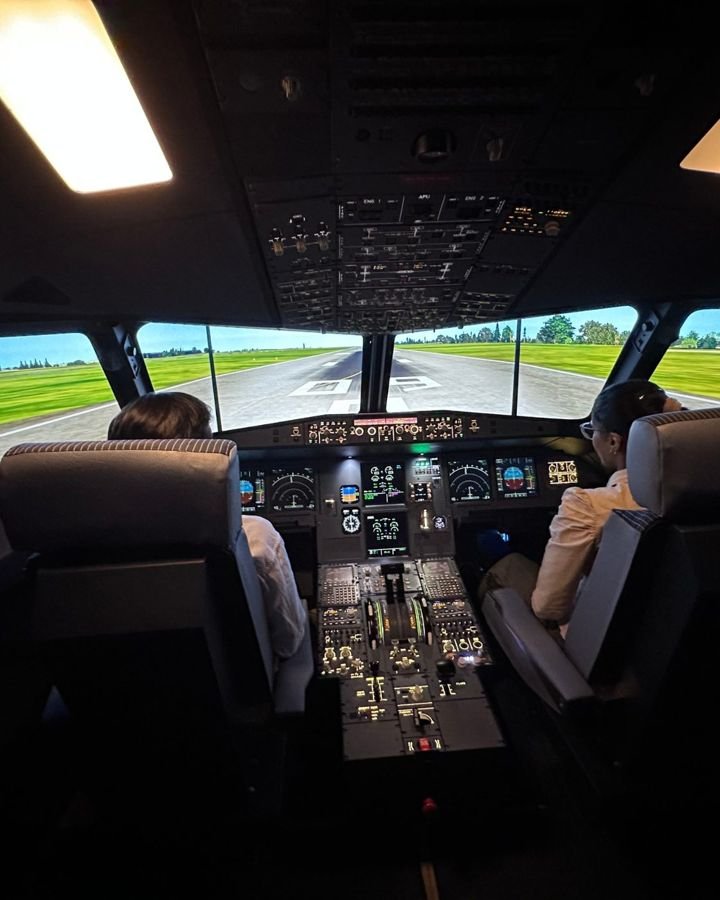
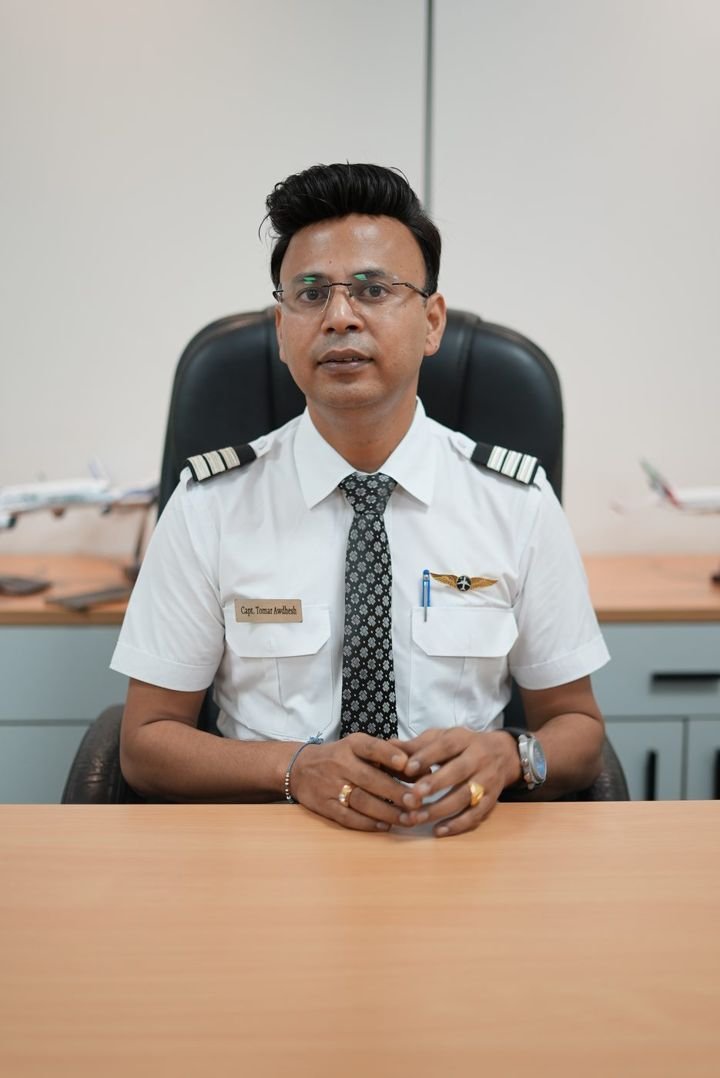
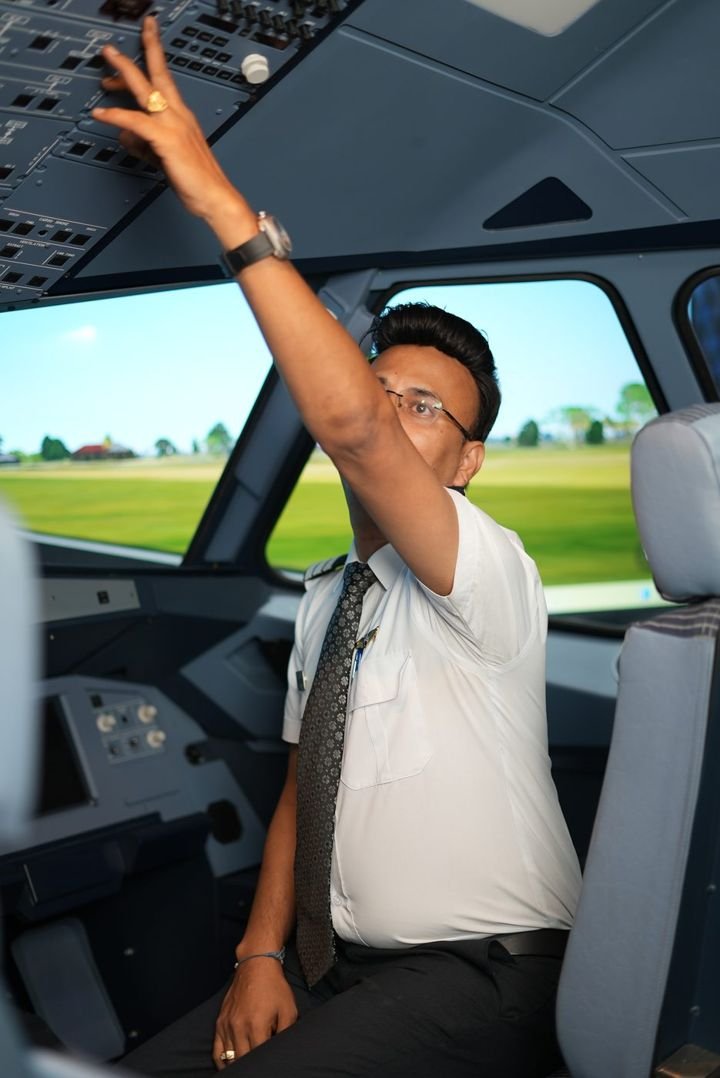
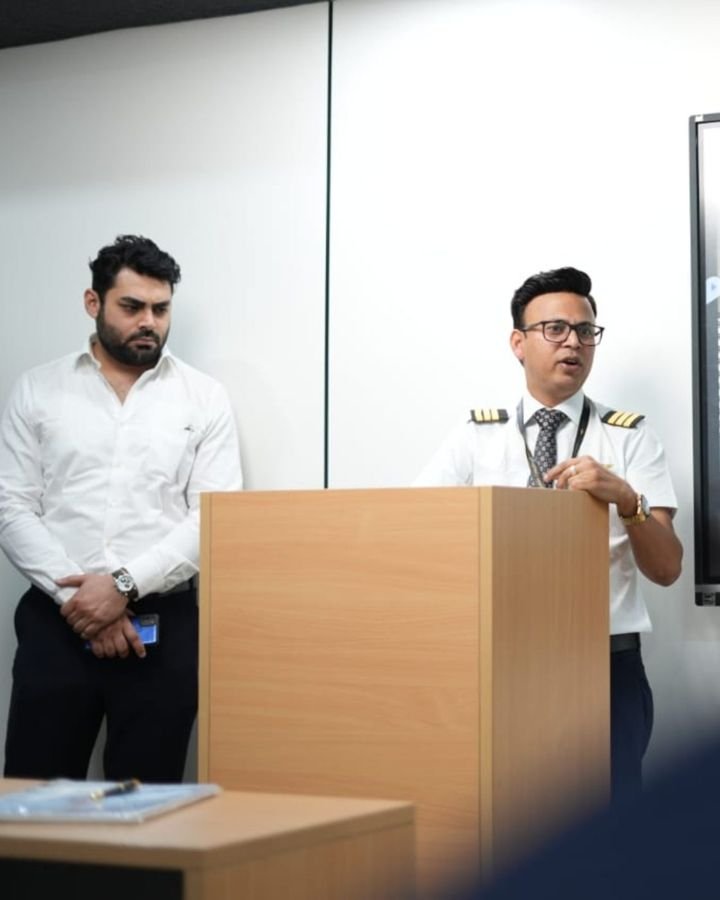
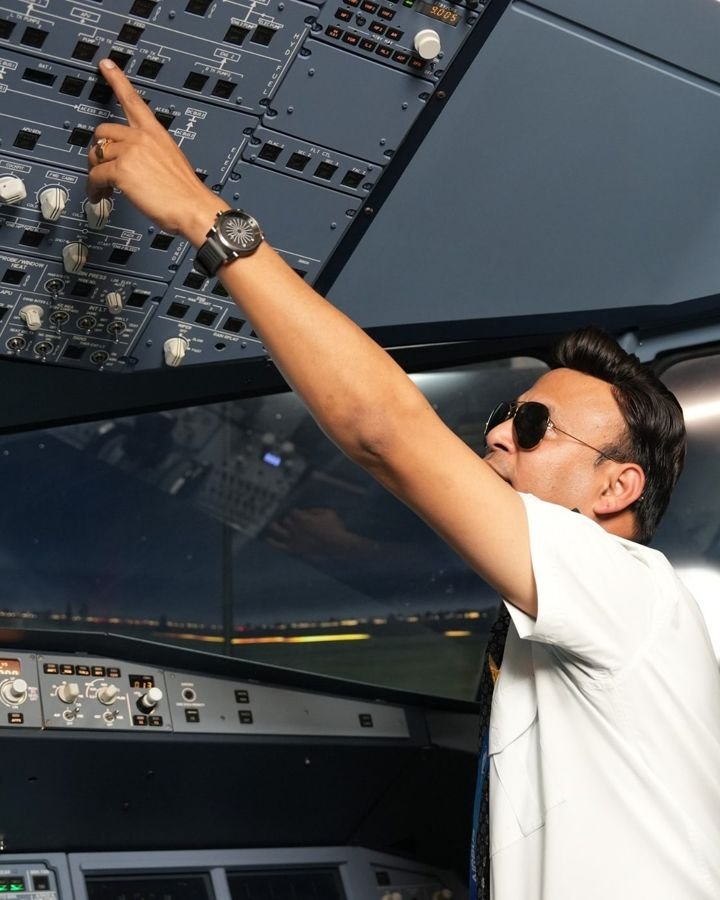
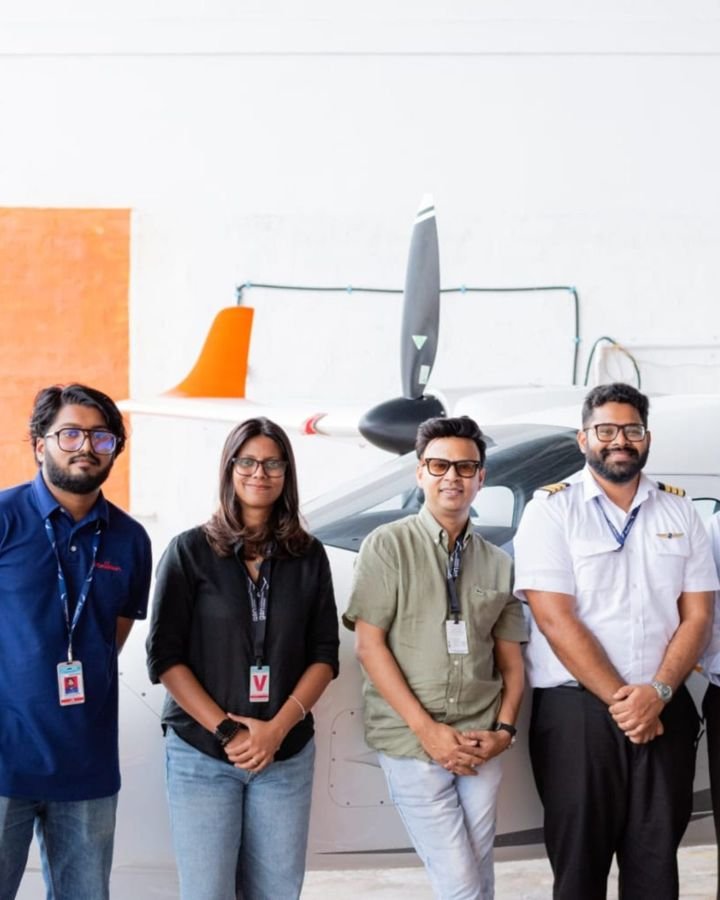
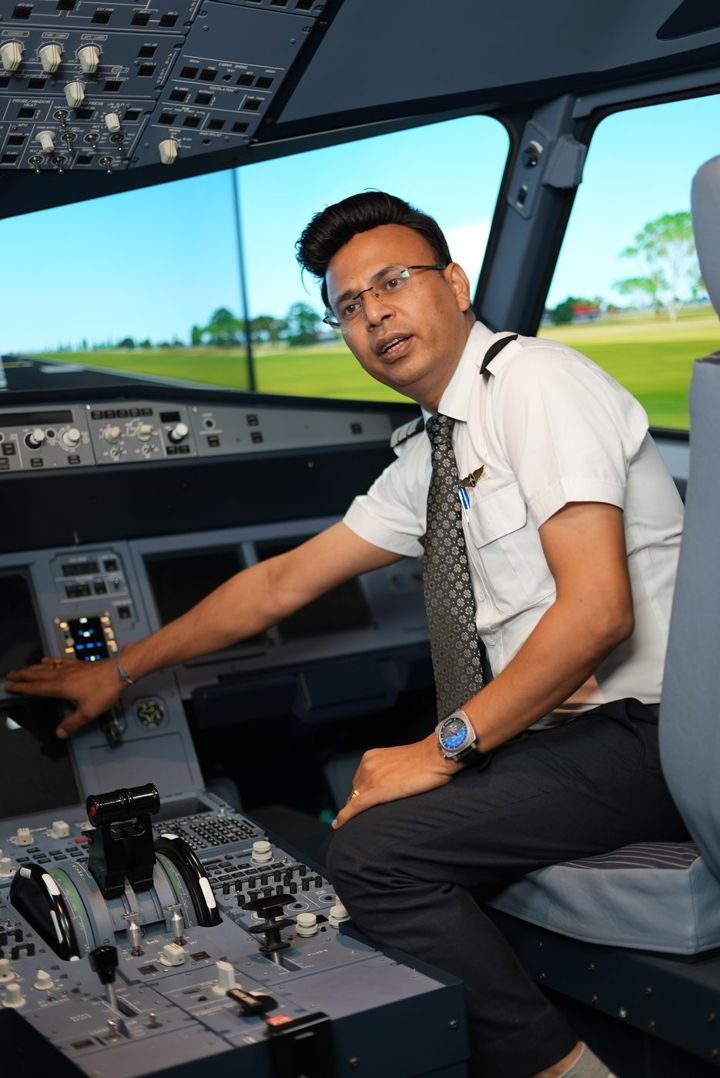
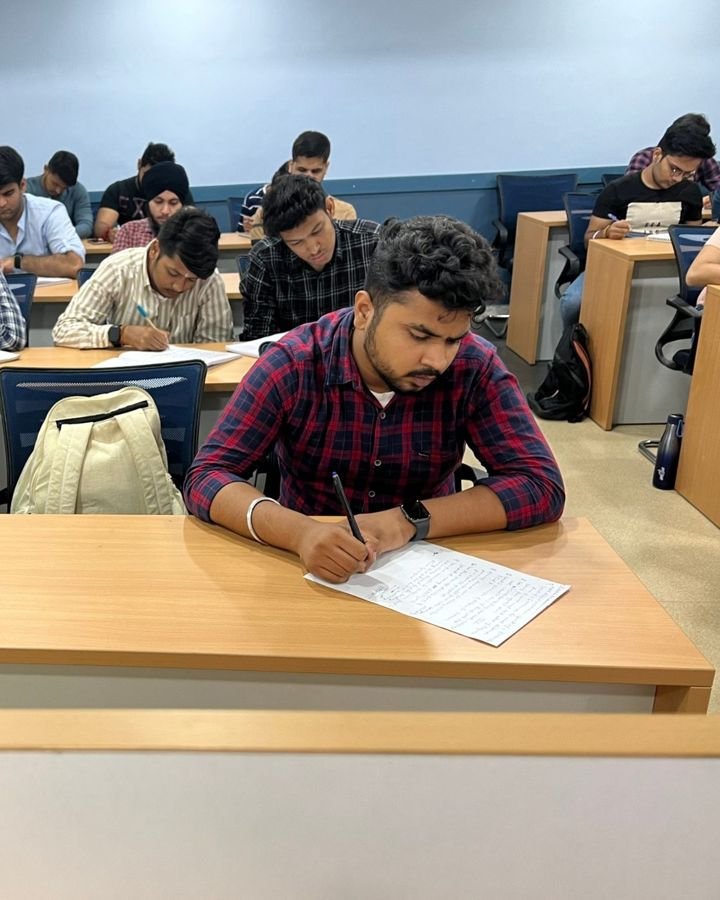
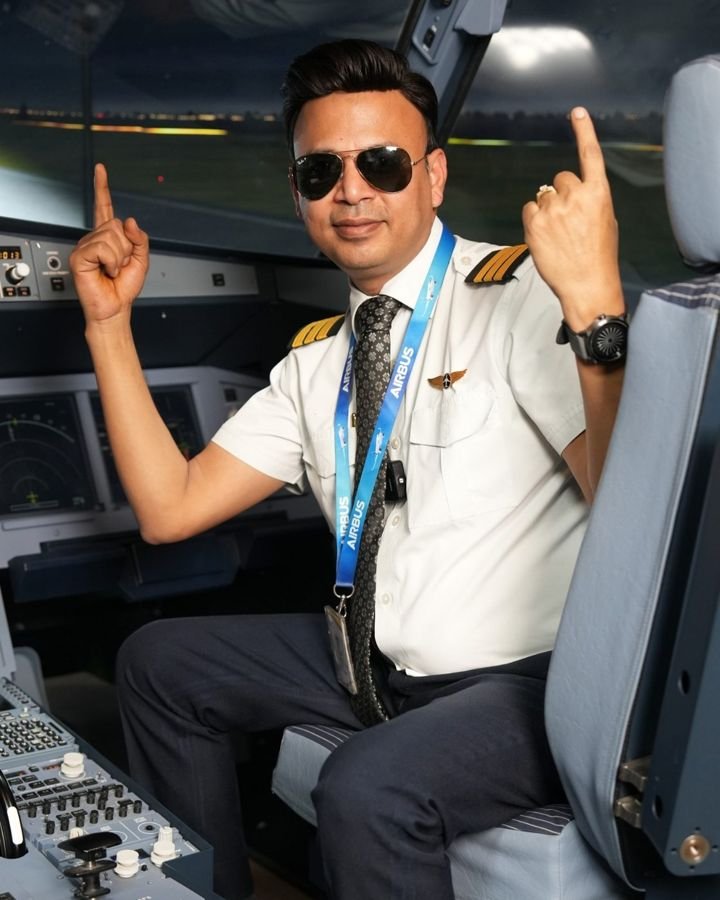
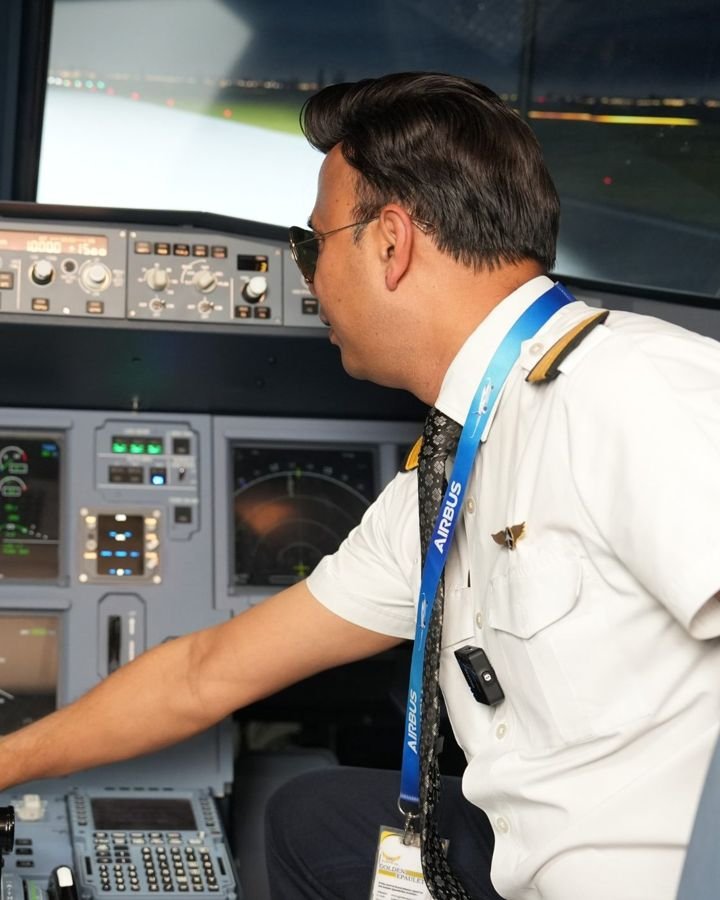
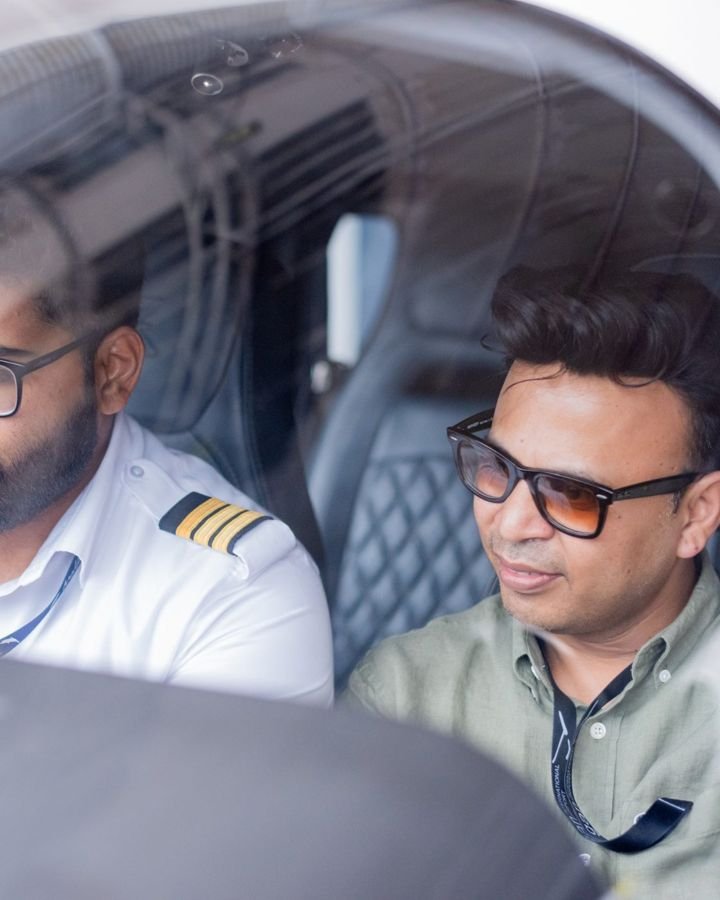
A320 simulator on short final — runway in sight.Capt. Tomar at his desk, Golden Epaulettes.In the left seat of the simulator.Setting the overhead panel.Speaking at a classroom session.Night session — overhead panel.Students and staff at the academy.At the controls, turning to camera.A DGCA ground-class written paper.Night simulator session.Working the simulator controls.Two pilots, seen through the windscreen.
Q&A
Technical
Why does the A320 use a side-stick instead of a yoke?
Behavioural
Tell me about a time you disagreed with a senior pilot.
Scenario
Engine fire at V1. Talk me through your next 60 seconds.
347pages of Q&A
05 · Flight manual · FL300
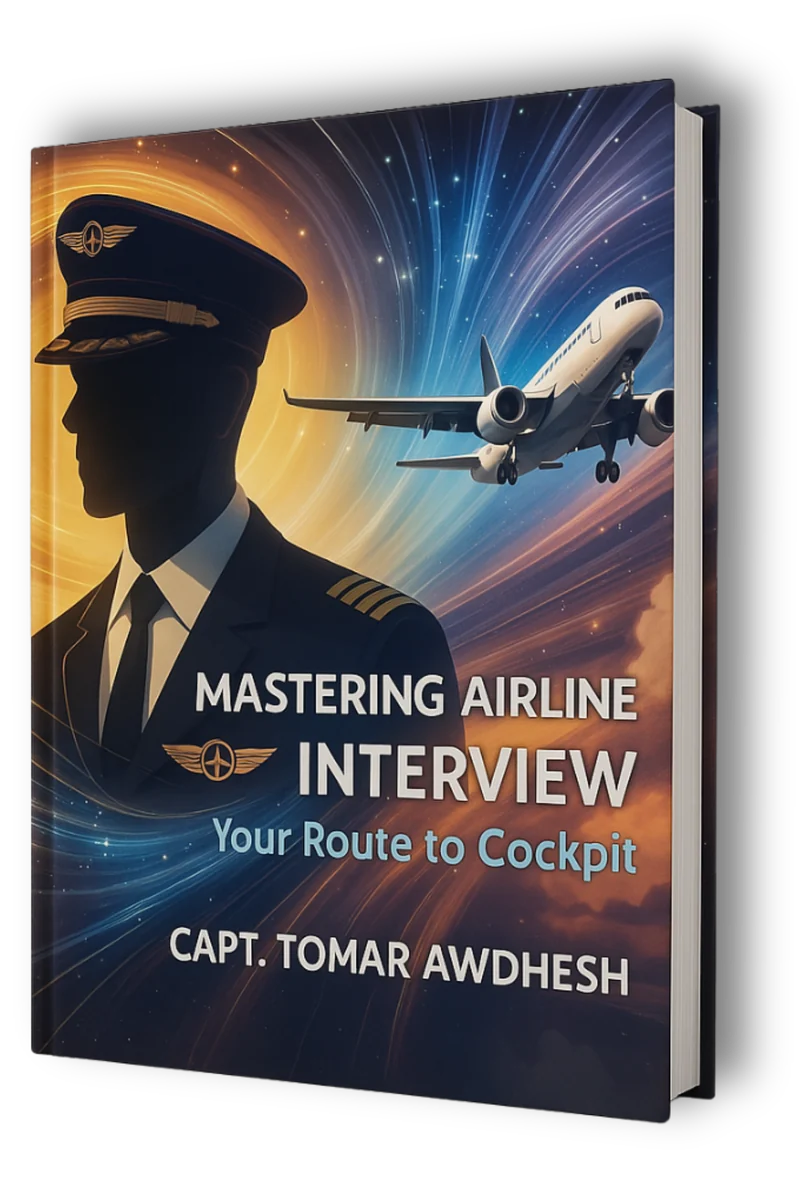
Mastering Airline Interview Your Route to Cockpit
You may know the technical subjects, but an airline assessment also tests how you think, communicate and respond under pressure. This book brings those parts of preparation together in one place, in a structured question-and-answer format — the same questions airline panels in India actually ask, answered the way they expect to hear them.
Written forCPL holdersCadet-programme applicantsATPL oral candidates
01
Technical PreparationThe aviation subjects that come up in airline assessments — aerodynamics, systems, performance, met and regulations.
02
Behavioural QuestionsHow you think, communicate and handle situations — the HR round, answered with structure instead of nerves.
03
Scenario-Based QuestionsPractical cockpit scenarios that build judgement, not memorised answers.
04
Structured Q&AHundreds of questions and model answers for focused, last-week revision.
Capt. Tomar regularly works with aspiring pilots through classroom sessions, career guidance, pilot-training conclaves and aviation-focused discussions. When aviation makes headlines, national newsrooms call him for a pilot’s honest explanation.
ON AIR6 national stories
As featured in
NDTVAaj TakTimes of IndiaTimes Now HindiDynamite NewsNDTVAaj TakTimes of IndiaTimes Now HindiDynamite News
BREAKING · EXPERT ANALYSISNDTV
AVIATION ANALYSISBARAMATICAPT. TOMAR AWDHESH
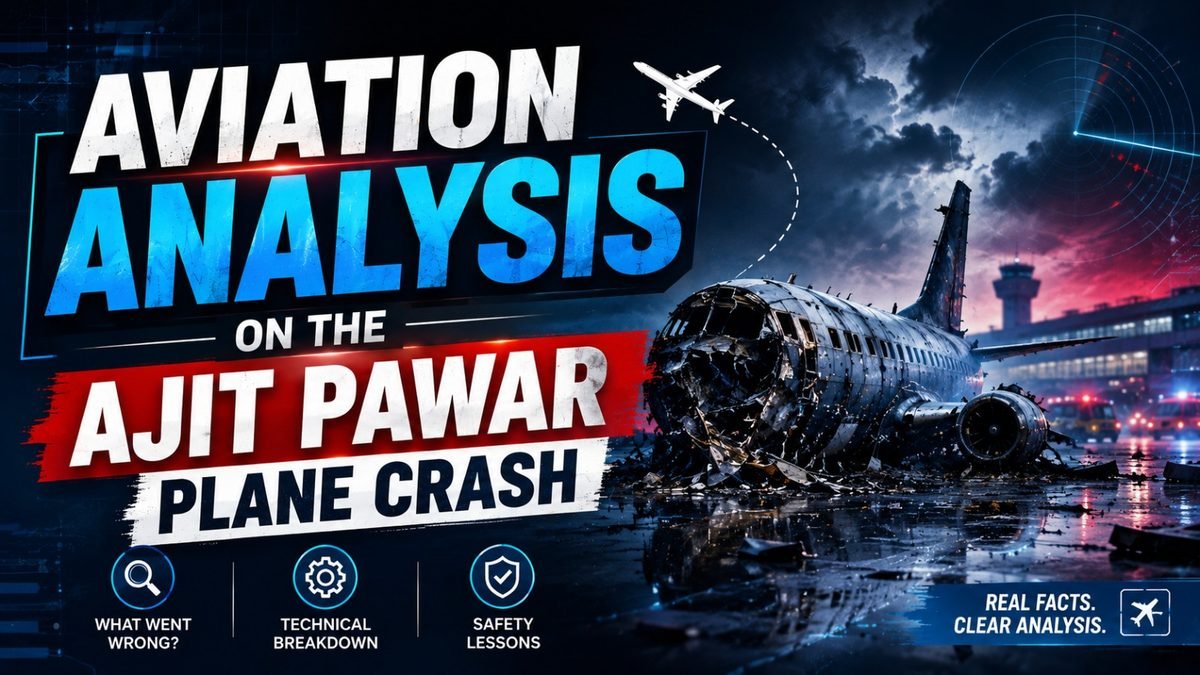
Aviation analysis on the Ajit Pawar plane crash
NDTV turned to Capt. Tomar for a pilot’s read of the Baramati crash — the possible causes, the aircraft’s final manoeuvre, and what the evidence could and could not yet say. Calm, factual, and explained for a national audience.
“When an aircraft is lost, the country deserves an explanation from someone who has sat in that seat.
Dynamite News
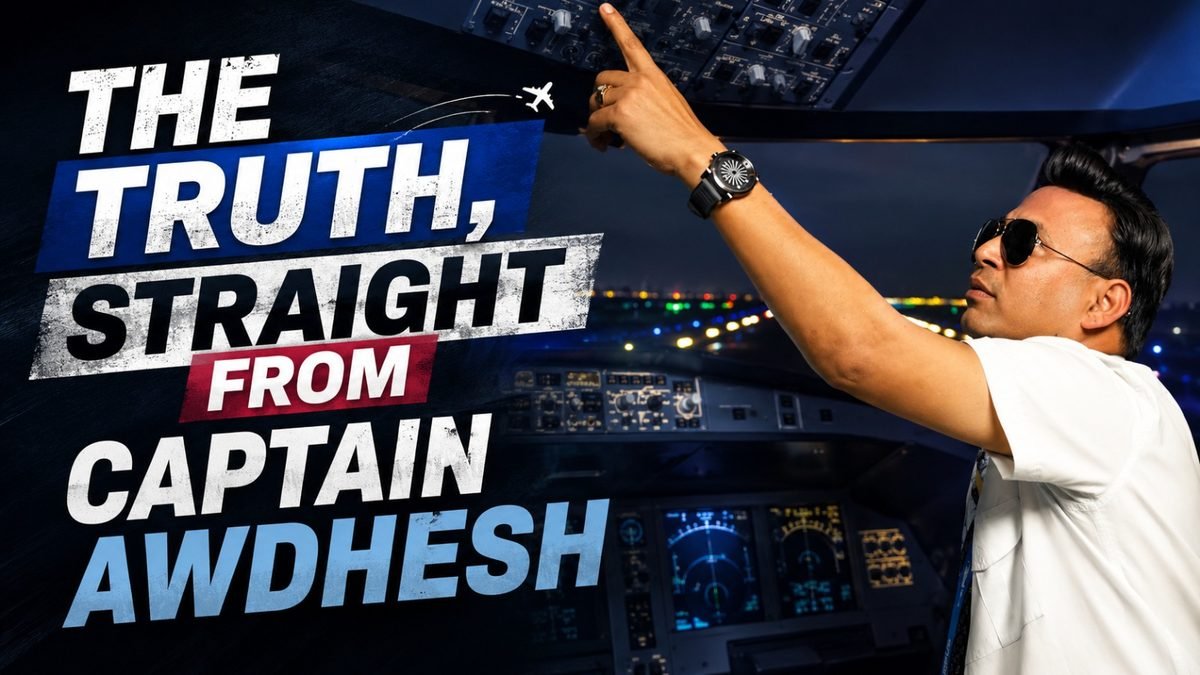
Captain Awadhesh told the truth
On the same aviation explanation, referencing his Instagram video.
Times Now Hindi
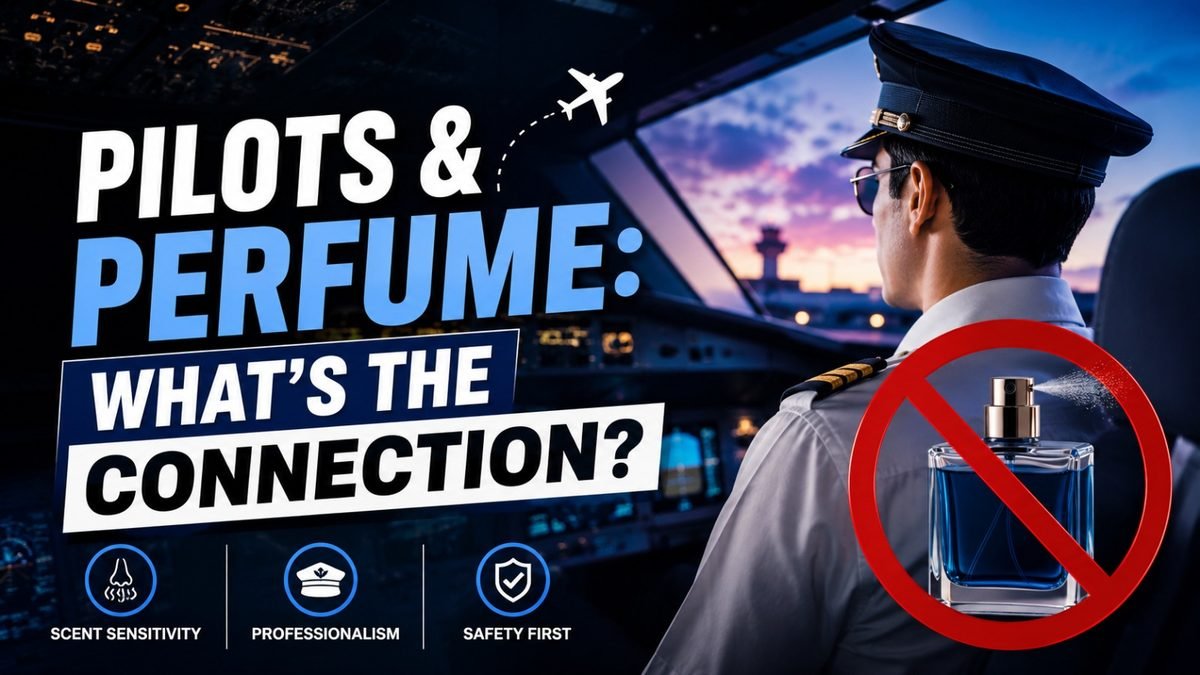
Pilots and perfume
Sources his Instagram video.
The story behind the story
One short Instagram video explaining why pilots avoid perfume in the cockpit was picked up by five national outlets in a week. That is what clear, honest aviation explanation does.
1 video5 outletsMillions reached
Invitations
Invite Capt. Tomar
For seminars, career guidance workshops, aviation events, pilot-training conclaves or media appearances and expert commentary.